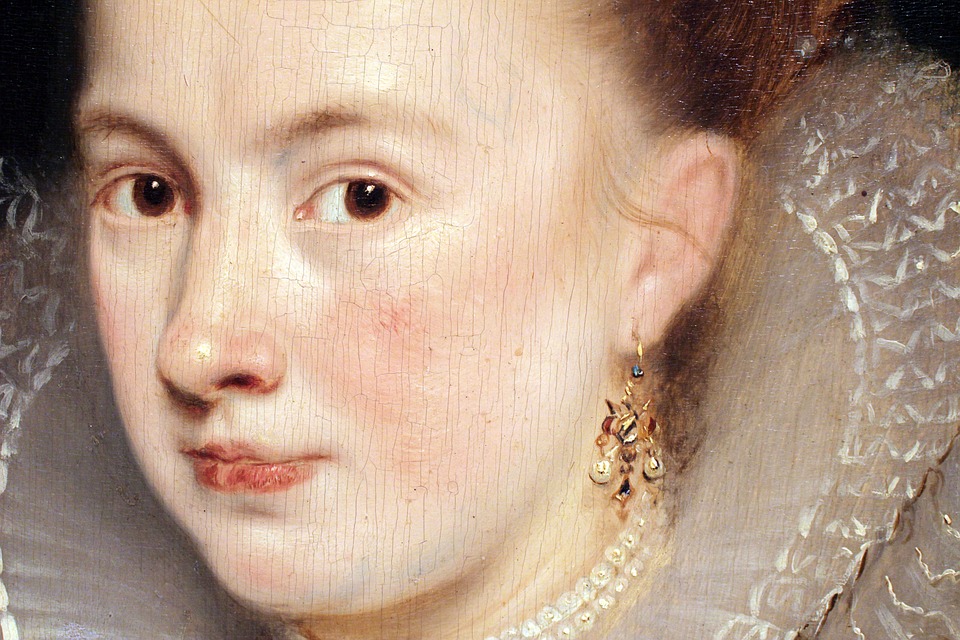
PBL in the Arts: What Came Before the Selfie?
ART
Get curious
8 min
Video/ Slide show (8 min)
Watch a film featuring an artist who uses modern technology to create portraits. Talk about creating portraits.
Ask:
What do you think is important for portrait artists?
What tool does the artist use? What tools were used in the past?
What do these modern instruments give the painter?
What (objects) does the artist include in the portrait? Why?
Get going
3 min
Puzzle/quiz (3 min)
Students guess the identity and occupation of persons depicted on paintings from various epochs.
Students work in small groups. Show slides, giving groups about 30 seconds after each slide to discuss the answer and write it down.
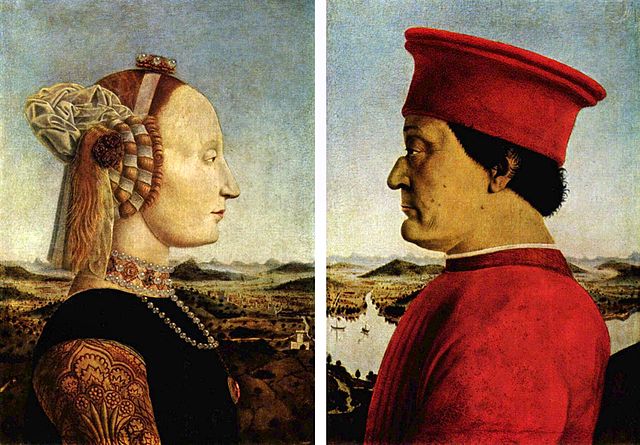
Source: wikipedia.org
5 min
Conclusions (5 min)
Check if you guessed the occupations of the people in the paintings correctly.
Show slides with answers. You can ask: How can we guess the occupation of a person from a portrait? Which elements of the portrait served as clues? What else can we learn by carefully studying the details of a portrait?
15 min
Creative expression (15 min)
Students draw a portrait of a well-known person on the basis of an oral description.
Don’t tell students whose portrait they are going to draw (only reveal their identity after they have finished drawing).
4 min
Presenting results (4 min)
Compare your portraits of George Washington.
Does the mysterious hero look the same in every single drawing? Why do you think he doesn’t? Can you guess who this person is and what his name is? See the presentation with a selection of portraits of George Washington.
5 min
Talk (5 min)
Take a look at some twentieth century portraits painted by Picasso.
Ask: Why are the portraits so awkward? Did Picasso’s contemporaries look like that? Or maybe the artist didn’t know how to paint realistic portraits? See Picasso’s ”Portrait of the Artist’s Mother”: http://www.wikiart.org/en/pablo-picasso/portrait-of-the-artist-s-mother-1896
Next, students can follow in Picasso’s footsteps and paint a Picasso-style portrait. Each student choose a traditional portrait: one of those observed during the lesson or another of their choice, and re-draws it in the style of Picasso. Students experiment with the Cubist form (geometrization of shapes), and also with color. They can include some of the objects from the portraits too.
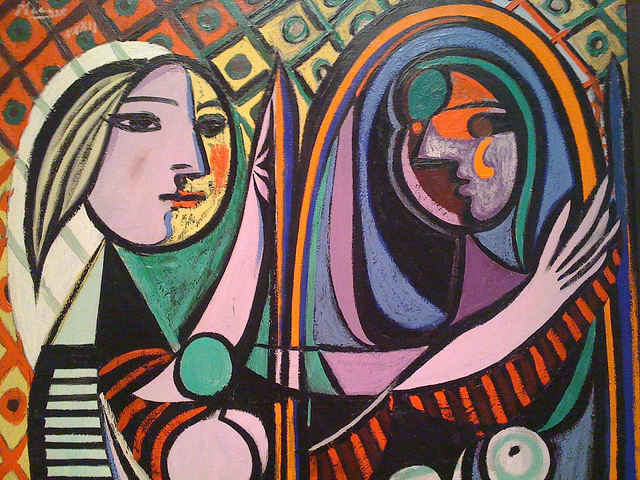
Source: Picasso painting at MoMA by Nathan Laurell, flickr
Get practicing
Analyzing
PBL in Arts: Why do people sit for portraits? The students set off on a tour - hunting for portraits in their local area.
The students then analyze the portraits they have found and see how much information they can glean from them. They draw conclusions: what did portraits look like in the past, and what do they look like now? They find an answer to the driving question: why do people sit for portraits?
Powered byTypeform
You will download zip file now.
Make sure that you have an application that opens zip files.
If not, download single materials directly from the lesson plan.
Download zip files
Download single materials